ADSS vs OPGW Cable: Which is Right for Your Power Line Project?
ADSS vs OPGW Cable: Which is Right for Your Power Line Project?
Published: 2026-05-20
The Core Distinction
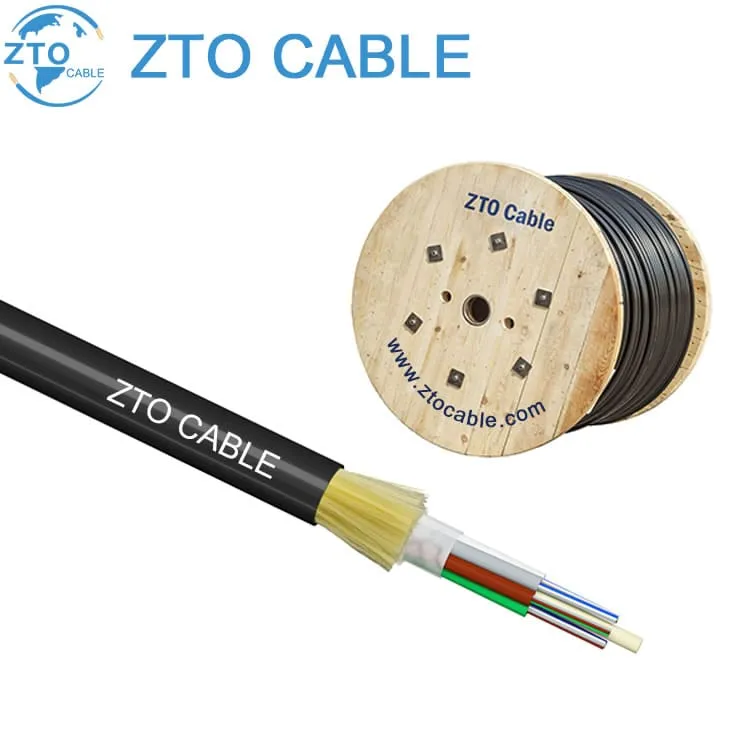
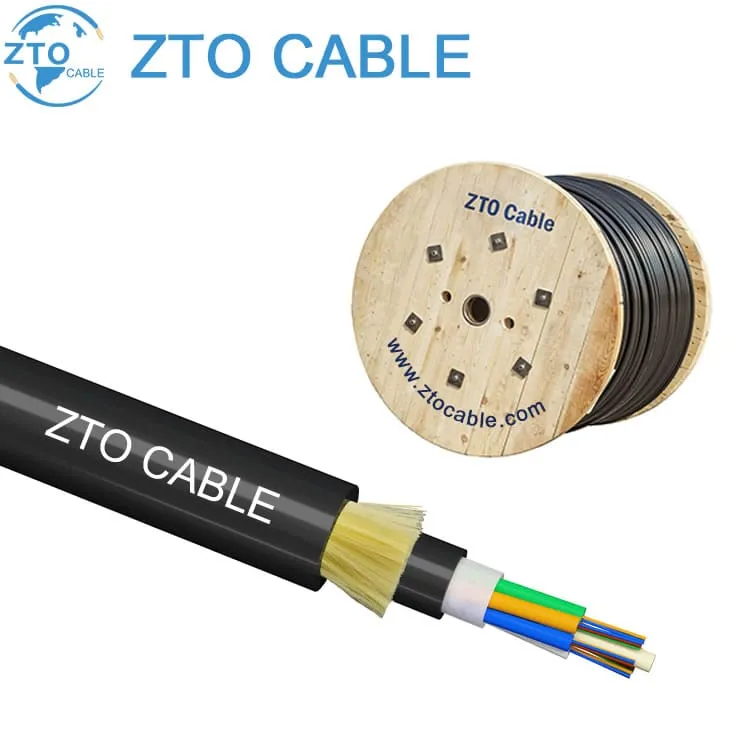
When power utilities need to add fiber optic communication capability to their transmission infrastructure, two technologies dominate the conversation: ADSS (All-Dielectric Self-Supporting) and OPGW (Optical Ground Wire). While both serve the same ultimate purpose — delivering high-speed data over power line corridors — their installation methods, cost structures, and ideal use cases differ fundamentally.
This comparison helps project planners, utility engineers, and procurement teams decide which technology fits their specific scenario.
Quick Comparison Table
| Aspect | ADSS | OPGW |
|---|---|---|
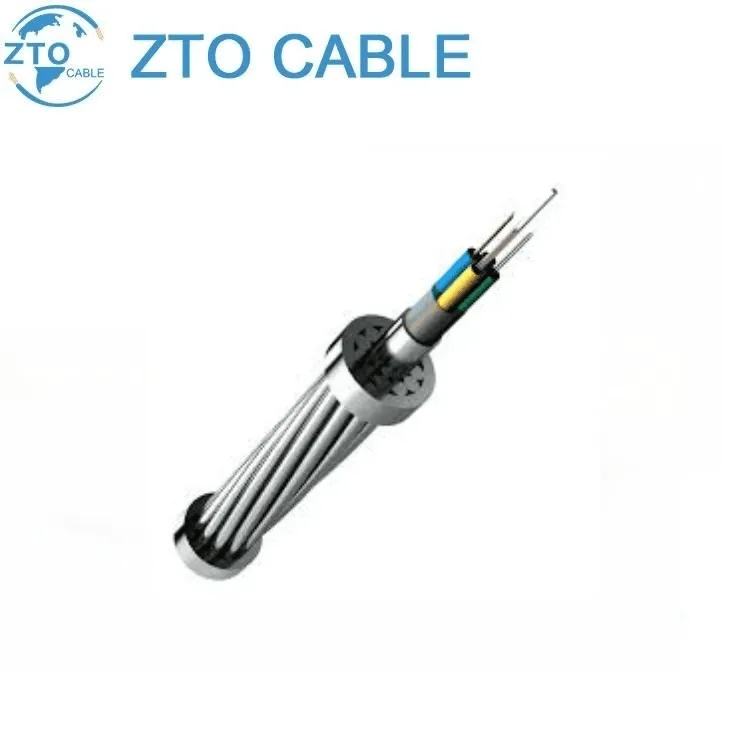
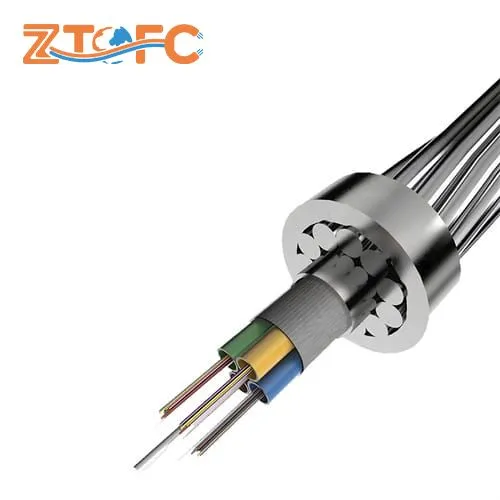
| Construction | All-dielectric (no metal) | Metallic (stainless steel tube + ACS wires) |
| Function | Communication only | Ground wire + Communication |
| Installation | Attached below conductors on live lines | Replaces ground wire; requires shutdown |
| Voltage Range | 10kV – 220kV (AT sheath ≥110kV) | 110kV+ |
| Span Range | 50m – 1500m | 100m – 500m+ (tower-dependent) |
| Installation Cost | Lower (no shutdown needed) | Higher (requires outage + coordination) |
| Material Cost | Lower (no metal components) | Higher (aluminum/steel) |
| Lightning Protection | None (all-dielectric) | Yes (primary function) |
| Corrosion Risk | None | Low (aluminum clad steel) |
| Fiber Count | Up to 144 | Up to 60 (typical) |
When to Choose ADSS
ADSS cable is the preferred choice when:
1. You Can’t Shut Down the Line
ADSS can be installed on energized (live) power lines. This is the single biggest advantage — no outage coordination, no revenue loss from downtime, significantly simpler project planning.
2. You’re Working on Existing Lines
For adding fiber to existing transmission or distribution lines, ADSS is the most practical solution. It attaches below the conductors via hardware clamps; the line stays live throughout installation.
3. You Need Medium-to-Long Spans
With spans up to 1500m (double jacket), ADSS handles most utility pole and tower spacings. The aramid yarn strength member provides excellent tensile performance without adding metallic weight.
4. Corrosion is a Concern
In coastal or high-humidity environments, ADSS’s all-dielectric construction eliminates galvanic corrosion risks that can affect metallic cables over time.
Choose Single vs Double Jacket:
- Single jacket (50-200m): Distribution lines 10-35kV, shorter spans, cost-sensitive projects
- Double jacket (200-1500m): Transmission lines, longer spans, severe weather areas
When to Choose OPGW
OPGW is the preferred choice when:
1. You’re Building New Lines
For greenfield transmission line construction, integrating OPGW from day one is the most elegant solution. It replaces the traditional steel ground wire, so no additional cable or hardware is needed — the communication medium is part of the tower’s essential infrastructure.
2. Ground/Shield Wire Replacement is Due
During major line refurbishment where the existing ground wire is being replaced anyway, upgrading to OPGW kills two birds with one stone: new ground protection plus fiber connectivity.
3. Lightning Performance Matters
OPGW serves as the primary lightning shield for the phase conductors below. Its metallic construction dissipates lightning strike energy safely to ground through the tower structure. For lines in high-lightning areas, this dual function is critical.
4. Short-Circuit Current Capacity is Required
The aluminum clad steel (ACS) wires in OPGW are sized to carry fault currents during line-to-ground faults. ADSS, being all-dielectric, cannot serve this electrical function.
Cost Comparison: Beyond the Cable Price
When comparing total project cost, look beyond the per-meter cable price:
ADSS Total Cost Components:
- Cable material (lower unit cost)
- Installation hardware (clamps, brackets, vibration dampers)
- Installation labor (no shutdown needed → lower)
- Line outage costs: $0 (live-line installation)
OPGW Total Cost Components:
- Cable material (higher unit cost due to metal content)
- Installation labor (requires shutdown coordination)
- Line outage opportunity cost (revenue loss during shutdown)
- Grounding hardware (already part of tower design)
The hidden cost of OPGW is the line outage. For a major transmission line carrying significant power, even a 24-hour shutdown can cost hundreds of thousands in lost revenue. ADSS avoids this entirely.
Hybrid Approaches
Some utilities deploy both ADSS and OPGW on the same network:
- OPGW on new trunk lines — Ground wire + backbone communication
- ADSS on existing distribution taps — Adding fiber to lateral lines without disrupting service
This hybrid strategy maximizes coverage while minimizing cost and operational disruption.
Environmental Considerations
Wind and Ice Loading
Both cable types add mechanical load to towers. ADSS, being lighter (no metal), generally imposes less additional load. However, its larger diameter (especially double jacket) can catch more ice in freezing conditions. Proper engineering calculations are essential for both types.
Electric Field Effects (ADSS-Specific)
ADSS cables operating in the electric field of high-voltage conductors can experience dry-band arcing and tracking if positioned incorrectly. This is why:
- The cable hanging point must be carefully calculated based on electric field distribution
- AT (anti-tracking) sheath is mandatory for lines ≥110kV
- PE sheath is acceptable for lines 10-35kV only
OPGW, being at ground potential atop the tower, does not face these issues.
Making the Final Decision
Ask these questions:
- Is this new construction or retrofit? → New = OPGW possible; Retrofit = ADSS likely better
- Can we take a line outage? → No = ADSS; Yes = OPGW viable
- What’s the line voltage? → <110kV = ADSS or OPGW; ≥110kV = either (ADSS must use AT sheath)
- What’s the lightning environment? → High = OPGW advantageous
- What’s the budget and timeline? → Tight = ADSS (faster, no shutdown)
Frequently Asked Questions
Can ADSS and OPGW be used on the same transmission line?
Yes. It is common for power utilities to use OPGW as the primary ground/shield wire on a new transmission line and supplement with ADSS cables on lower-voltage distribution feeders branching from the same corridor. The two technologies are complementary, not mutually exclusive.
What is the typical fiber count for ADSS vs OPGW?
ADSS typically supports 12-144 fibers, with 24-48 being the most common. OPGW typically supports 12-60 fibers, with 24 being the most common, constrained by the stainless steel tube diameter inside the ground wire. For very high fiber count requirements (144+), ADSS or a separate all-dielectric cable is preferred.
How long does ADSS installation take compared to OPGW?
ADSS installation on an existing line typically takes 1-3 km per day per crew, with no outage required. OPGW installation on a new line is part of the conductor stringing process and proceeds at the pace of line construction. Replacing an existing ground wire with OPGW requires an outage and typically achieves 2-5 km per day.
Which is more expensive: ADSS or OPGW?
The cable material cost is lower for ADSS (all-dielectric, no metals). However, OPGW replaces the ground wire entirely, so on a new construction project where a ground wire is required anyway, the incremental cost of choosing OPGW over a plain steel ground wire may be less than adding a separate ADSS cable. Total project cost depends heavily on whether an outage is required.
Conclusion
There’s no universally “better” choice — only the right choice for your specific project. ADSS excels at adding fiber to existing power lines with minimal disruption. OPGW is the elegant integrated solution for new construction where ground wire replacement is already planned.
For most retrofit and expansion projects on existing lines, ADSS typically offers the best balance of cost, speed, and technical suitability.